Anxiety Doesn’t Go
Anxiety doesn’t go is a phrase that resonates deeply with many people navigating the complexities of daily life. It captures the persistent nature of anxiety, highlighting that it doesn’t simply vanish but rather becomes a part of one’s ongoing experience. For those involved in creative or entrepreneurial pursuits, understanding how to manage and integrate this concept into their workflows can be transformative.
Understanding Anxiety Doesn’t Go in Workflow Contexts
In the context of project management, creative processes, or even personal development, anxiety doesn’t go serves as a reminder that emotional challenges are not temporary. Whether you're an entrepreneur launching a print-on-demand business or a content creator designing digital assets, recognizing that anxiety may persist is crucial for maintaining productivity and mental well-being.
This awareness allows individuals to approach tasks with greater resilience. Instead of viewing anxiety as a barrier, it can be reframed as a signal that something requires attention or adjustment. This mindset shift can lead to more effective planning and execution strategies.
Integrating Anxiety Doesn’t Go Into Creative Workflows
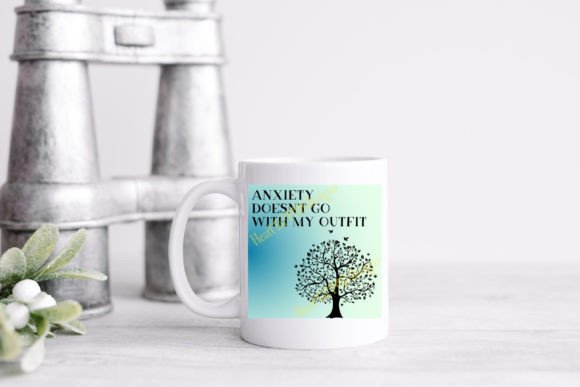
For creators working on print-on-demand products, integrating the concept of anxiety doesn’t go can enhance both the design process and customer engagement. When creating designs like the unique square image described—perfectly sized for posters, mugs, and more—it's important to consider how the message of encouragement aligns with the emotional state of the audience.
Designing with empathy means acknowledging that customers might be going through challenging times. By pairing encouraging text with beautiful visuals, the product becomes more than just an item; it becomes a source of comfort and support. This thoughtful approach can differentiate your POD store in a competitive market.
Workflow Example: Designing with Empathy
- Research: Understand the target audience and their emotional needs.
- Concept Development: Create designs that resonate emotionally and provide value beyond aesthetics.
- Testing: Gather feedback from potential customers to refine the message and visual elements.
- Launch: Promote the design as a tool for empowerment and self-care.
- Feedback Loop: Continuously evaluate customer responses to improve future designs.
By embedding the idea that anxiety doesn’t go into each step of the workflow, you create a more meaningful connection with your audience. This integration not only enhances the product’s appeal but also supports the mental health of those who use it.
Using Anxiety Doesn’t Go in Business Decisions
When making business decisions, especially in areas like marketing, product development, or customer engagement, the concept of anxiety doesn’t go can guide more informed choices. It encourages a proactive approach to managing stress and uncertainty, which is essential in fast-paced environments.
For instance, when deciding on new product lines or promotional strategies, considering how anxiety affects consumer behavior can lead to more effective campaigns. Products that offer emotional support, such as the encouraging designs mentioned, can tap into a growing market for wellness-focused goods.
Practical Implementation Tips
- Assess Needs: Identify the emotional needs of your audience through surveys or social media engagement.
- Align Messaging: Ensure all marketing materials reflect the values of support and empowerment.
- Test Campaigns: Launch small-scale promotions to gauge customer response before full rollout.
- Monitor Feedback: Use analytics tools to track engagement and adjust strategies accordingly.
- Iterate: Continuously refine your offerings based on real-world data and customer insights.
These steps help ensure that your business remains responsive to the emotional landscape of your audience, fostering loyalty and long-term success.
Combining Anxiety Doesn’t Go with Other Tools and Resources
The concept of anxiety doesn’t go can be seamlessly integrated with various tools and resources used in creative and business workflows. From project management software to design platforms, leveraging these tools effectively can enhance the overall experience of managing anxiety and stress.
For example, using task management apps to break down large projects into smaller, manageable tasks can reduce feelings of overwhelm. Similarly, design tools that allow for easy customization can help maintain consistency in messaging across different product formats.
Collaboration with other professionals, such as psychologists or wellness coaches, can also provide valuable insights into how to better support customers and team members. These partnerships can lead to more holistic approaches to mental health and productivity.
Long-Term Integration and Sustainability
Successfully integrating the concept of anxiety doesn’t go into your workflow requires a commitment to long-term sustainability. This involves not only maintaining consistent quality in your products and services but also fostering a supportive environment for both your team and your customers.
Regular training sessions on mental health awareness can empower your team to better understand and support each other. Additionally, creating a culture of open communication can help identify and address stressors before they become overwhelming.
For customers, providing ongoing support through community engagement, feedback channels, and educational content can reinforce the positive impact of your products. This creates a cycle of trust and loyalty that benefits everyone involved.
In conclusion, understanding and integrating the concept of anxiety doesn’t go into your workflow can lead to more resilient, empathetic, and successful creative and business practices. By approaching challenges with awareness and compassion, you can create a more meaningful and impactful experience for yourself and your audience.