Encouragement: A Powerful Tool for Print-on-Demand Businesses
Encouragement is more than just a phrase or a message—it's a mindset, a way of connecting with others, and a powerful asset in the world of print-on-demand (POD) businesses. In today’s fast-paced and often overwhelming digital marketplace, customers are looking for products that resonate with them on a personal level. Encouragement-based designs offer a unique blend of emotional appeal and visual artistry that can set your POD store apart from the competition.
What Makes Encouragement Unique in the POD Space?
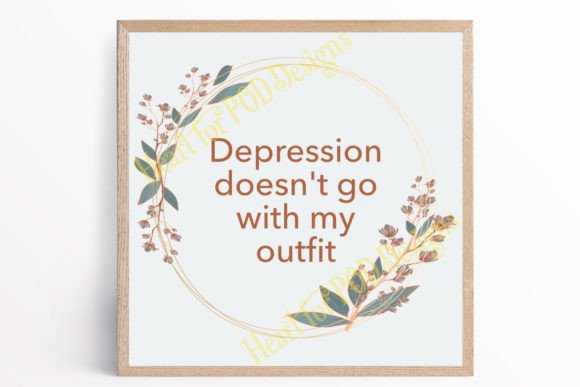
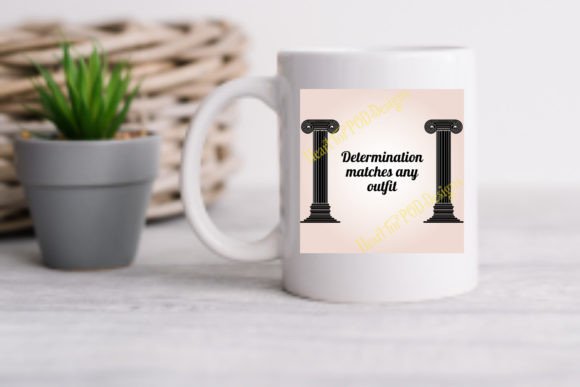
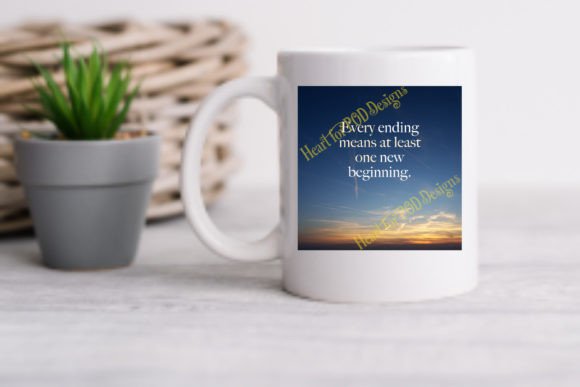
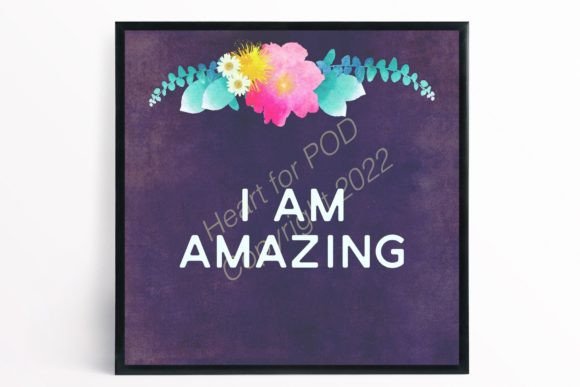
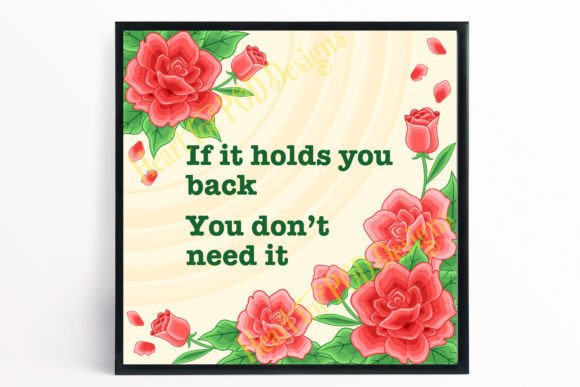
Unlike traditional product designs that focus solely on aesthetics or trends, encouragement-based designs aim to inspire, uplift, and connect with the viewer. These designs often feature motivational quotes, affirmations, or positive messages paired with visually striking imagery. The result is a product that doesn’t just look good—it makes the customer feel good.
One of the key strengths of encouragement-based designs is their versatility. Whether you're creating posters, mugs, t-shirts, or phone cases, these designs can be adapted to fit a wide range of products. This adaptability makes them ideal for both new and established POD entrepreneurs who want to offer something meaningful without sacrificing quality or consistency.
Additionally, encouragement-based designs have a timeless quality. While trends may come and go, messages of confidence, self-love, and resilience remain relevant across generations. This means your designs can continue to attract customers long after the latest fad has faded.
How Does Encouragement Compare to Other Design Approaches?
When evaluating different design approaches for your POD business, it's important to consider what each offers and how they align with your brand identity and target audience. Encouragement-based designs differ from other styles in several key ways:
- Emotional Impact: While many POD designs focus on visual appeal alone, encouragement-based designs tap into the emotional needs of consumers. They provide a sense of connection and support that goes beyond surface-level aesthetics.
- Target Audience: Encouragement-based designs are particularly effective for audiences seeking motivation, positivity, and self-improvement. This includes individuals dealing with stress, anxiety, or self-doubt, as well as those looking for daily inspiration.
- Use Cases: These designs are highly adaptable and can be used across multiple product categories, including apparel, home decor, accessories, and stationery. This flexibility allows for greater creative freedom and business scalability.
- Market Demand: With the growing emphasis on mental health and well-being, there is a clear demand for products that promote positivity and self-care. Encouragement-based designs meet this need in a way that is both practical and emotionally resonant.
Strengths and Tradeoffs of Encouragement-Based Designs
Like any design approach, encouragement-based designs have their own set of strengths and limitations. Understanding these can help you make an informed decision about whether this style is right for your business.
Strengths
Encouragement-based designs bring several advantages to the table:
- High Emotional Appeal: These designs create a strong emotional connection with customers, making them more likely to purchase and recommend your products.
- Wide Market Reach: The universal nature of encouraging messages means these designs can appeal to a broad audience, regardless of age, gender, or background.
- Scalability: Because of their adaptability, these designs can be easily scaled across various product lines, helping to diversify your offerings and increase sales.
- Long-Term Relevance: Unlike trend-driven designs, encouragement-based content remains relevant over time, ensuring continued customer interest and repeat purchases.
Tradeoffs
While encouragement-based designs have many benefits, there are also some potential drawbacks to consider:
- Design Complexity: Creating effective encouragement-based designs requires careful consideration of both text and imagery to ensure the message is clear and impactful.
- Market Saturation: As more designers begin to explore this space, competition may increase, requiring more creativity and differentiation to stand out.
- Customer Expectations: Some customers may expect more originality or uniqueness, so it's important to ensure your designs are both authentic and fresh.
When to Choose Encouragement-Based Designs
Encouragement-based designs are particularly well-suited for certain types of businesses and audiences:
- Wellness and Self-Care Brands: These designs align perfectly with brands focused on mental health, personal growth, and holistic living.
- Stress Relief and Motivation Products: Customers looking for items that help them stay positive, focused, or grounded will find value in these designs.
- Gift and Merchandise Stores: Encouragement-based designs make excellent gifts, especially for occasions like birthdays, graduations, or milestones.
- Small Business Owners and Entrepreneurs: These designs can serve as a source of motivation and inspiration for those navigating the challenges of running a business.
However, if your target audience prefers more avant-garde or niche designs, or if you're focusing on specific industries like gaming, fashion, or technology, you may want to explore alternative design styles that better match your brand identity.
Practical Examples and Comparisons
To better understand how encouragement-based designs can be applied, let's look at a few real-world examples:
A popular design might pair a simple yet powerful quote like "You are enough" with a soft, pastel-colored illustration of a smiling sun or a blooming flower. This type of design works well on mugs, tote bags, and phone cases, offering a subtle yet meaningful message that customers can carry with them throughout their day.
In contrast, a design focused on bold visuals and minimal text might use a striking black-and-white image with a single, impactful word like "Rise" or "Believe." This style appeals to those who prefer a more direct and intense form of encouragement, often used in motivational posters or statement pieces.
Both approaches have their place in the market, but the key difference lies in the tone and intent of the message. Encouragement-based designs are most effective when they feel genuine, relatable, and aligned with the values of your target audience.
Making the Right Choice for Your Business
Ultimately, the decision to use encouragement-based designs depends on your business goals, target audience, and brand voice. If you're looking to build a community around positivity, self-care, and empowerment, these designs can be a powerful tool in your arsenal.
However, if you're exploring other design styles or want to experiment with different themes, it's worth considering alternatives such as abstract art, minimalist designs, or even humor-based content. Each style has its own strengths and can be tailored to fit your unique brand identity.
By understanding the strengths, tradeoffs, and best-fit situations for encouragement-based designs, you can make a more informed decision about whether this style is right for your print-on-demand business. Remember, the goal is to create products that not only look great but also resonate deeply with your customers.